Feminine Divinity: The Significance of Navratri
Nine nights, three goddesses, and a festival that honors the divine as Mother
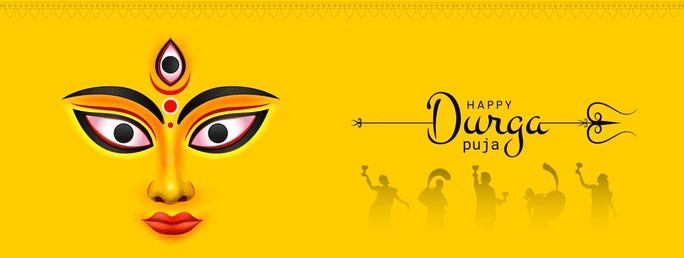
Every autumn, Hindu families around the world set aside nine nights for the Divine Mother. Navratri, from the Sanskrit for “nine nights,” is one of the most widely observed festivals in Hindu Dharma, and it is devoted entirely to feminine divinity. For nine days, homes and mandirs fill with prayer, fasting, music, and dance in honor of the goddess in her many forms. The festival celebrates the victory of good over evil, light over darkness, and dharma over adharma.
At its center is the worship of Devi in three primary forms: Durga, Lakshmi, and Saraswati. Each represents a different side of Shakti, the cosmic energy that creates, sustains, and dissolves the universe. Hindu Dharma is one of the few major world traditions that worships the divine in both male and female forms, and Navratri is where that devotion to the feminine is expressed on its grandest scale.
The Three Forms of Shakti
The nine days are traditionally grouped into three sets of three, each devoted to one goddess.
Durga (days one to three). The festival opens with Durga, the warrior goddess of strength and protection. Her best-known story is her victory over the demon Mahishasura, a reminder that righteousness must sometimes be defended with force, and that divine feminine power restores balance when it is lost. Devotees pray to her for the courage to face their own adversities.
Lakshmi (days four to six). The focus then turns from defeating evil to building a good life. Lakshmi is the goddess of wealth, prosperity, and abundance, both material and spiritual. These days are about cultivating generosity, kindness, and compassion, the qualities that make prosperity lasting and worth having.
Saraswati (days seven to nine). The final days belong to Saraswati, the goddess of wisdom, learning, music, and the arts. She stands for the higher knowledge that goes beyond the material world. Students, teachers, and artists seek her blessings, and many families honor books and instruments during these days.
A Journey in Nine Nights
Taken together, the nine days trace a spiritual journey. It begins with the struggle against our inner demons (Durga), moves toward building a life of abundance and good character (Lakshmi), and ends in the pursuit of wisdom and self-realization (Saraswati).
Many devotees fast during Navratri and spend extra time in prayer and meditation. The fast is less about giving up food than about discipline: a deliberate pause to clear the body and mind. The festival concludes on the tenth day with Vijayadashami, also called Dussehra, which marks the victory of good over evil and of knowledge over ignorance.
Shiva and Shakti: A Philosophy of Balance
Hindu philosophy sees the universe as a partnership between two principles: Shiva, the masculine, and Shakti, the feminine. A well-known teaching holds that without Shakti, even Shiva is inert. Creation and change are not possible without the feminine.
The virtues the goddess represents are not limited to women. Durga’s courage, Lakshmi’s generosity, and Saraswati’s wisdom are qualities anyone can work toward. When devotees invoke the goddess, they are also asking to awaken those qualities in themselves.
One Festival, Many Traditions
Navratri looks different from one region of India to the next, and each community brings its own character to it.
In Gujarat, the nights belong to Garba and Dandiya Raas, circle dances that draw entire neighborhoods together until late into the night.
In West Bengal, the festival takes the form of Durga Puja. Cities are transformed by elaborate pandals, temporary shrines built around beautifully crafted murtis of the goddess. Families visit pandal after pandal, joining in prayers, offerings, processions, and cultural programs. On Vijayadashami, the murtis are immersed in water, symbolizing the goddess’s return to her divine home. It is among the most spectacular celebrations of Navratri anywhere.
In South India, families set up Golu (also called Bommai Kolu), tiered displays of dolls and figurines depicting scenes from the Itihasa, the epics of Hindu tradition. Friends visit each other’s homes and local mandirs to see the displays and sing bhajans together. My own family has always looked forward to these visits; they are as much about community as they are about devotion.
Why Navratri Still Matters
Navratri has grown beyond its religious roots into a broader cultural celebration of feminine strength, equality, and justice. It invites women and men alike to draw on their inner strength and to seek balance in their lives. The values it honors, including compassion, wisdom, and courage, are as needed today as they were centuries ago.
This Navratri, as we invoke the goddess in her many forms, we can also recognize and honor the feminine qualities that live within each of us.
A Day-by-Day Guide
Sharad Navratri, the most widely celebrated of the year’s Navratris, follows the Hindu lunar calendar. It begins on the first day of the bright fortnight (Shukla Paksha) of the month of Ashvin, which usually falls in late September or October. Because the dates shift each year, check your local mandir or a Hindu calendar (panchang) for the exact days.
Each of the nine days honors one of the nine forms of Durga, together known as the Navadurga:
Day 1: Shailaputri. The daughter of the mountains, symbolizing strength and resolve.
Day 2: Brahmacharini. The goddess of penance and devotion, representing purity and determination.
Day 3: Chandraghanta. The goddess of peace and serenity, who wears a crescent moon on her forehead.
Day 4: Kushmanda. The goddess of cosmic energy, said to have created the universe with her smile.
Day 5: Skandamata. The mother of Skanda (Kartikeya), embodying a mother’s love and protection.
Day 6: Katyayani. A fierce warrior goddess, symbolizing courage and the destruction of evil.
Day 7: Kalaratri. The most fearsome form of Durga, who destroys ignorance and fear.
Day 8: Mahagauri. The goddess of purity and calm, associated with wisdom and austerity.
Day 9: Siddhidatri. The giver of spiritual knowledge, enlightenment, and fulfillment.
The festival closes on the tenth day with Vijayadashami (Dussehra), celebrating the final victory of good over evil, knowledge over ignorance, and the divine over the mundane.
An Open Invitation
Navratri is a joyful time, and it is meant to be shared. We warmly invite our interfaith brothers and sisters to visit Hindu mandirs across Indiana during the festival season, to see the celebrations, join in the music and dance, and experience the spirit of unity that Navratri represents.
Get notified of new essays
No spam. Unsubscribe any time.